What Is IDP?
IDP is a term the means internally displaced people(persons). Each year, hundreds of thousands of people in different corners of the world are forced from the safety of their homes and compelled to take flight. These people are forced to seek safety not through asylum in a second state, but before their own governments and within the confines of national borders. They do so in order to avoid the effects of armed conflict, situations of generalized violence, violations of human rights or natural or human-made disasters. Some of these people are able to take shelter with family or friends. Others congregate in camps where they hope to find safety, food and shelter. Still others hide in forests, jungles and other inhospitable terrain, too fearful to seek assistance of any kind. The journey is often difficult and dangerous. An untold number of people are victims of violence and disease along the way.
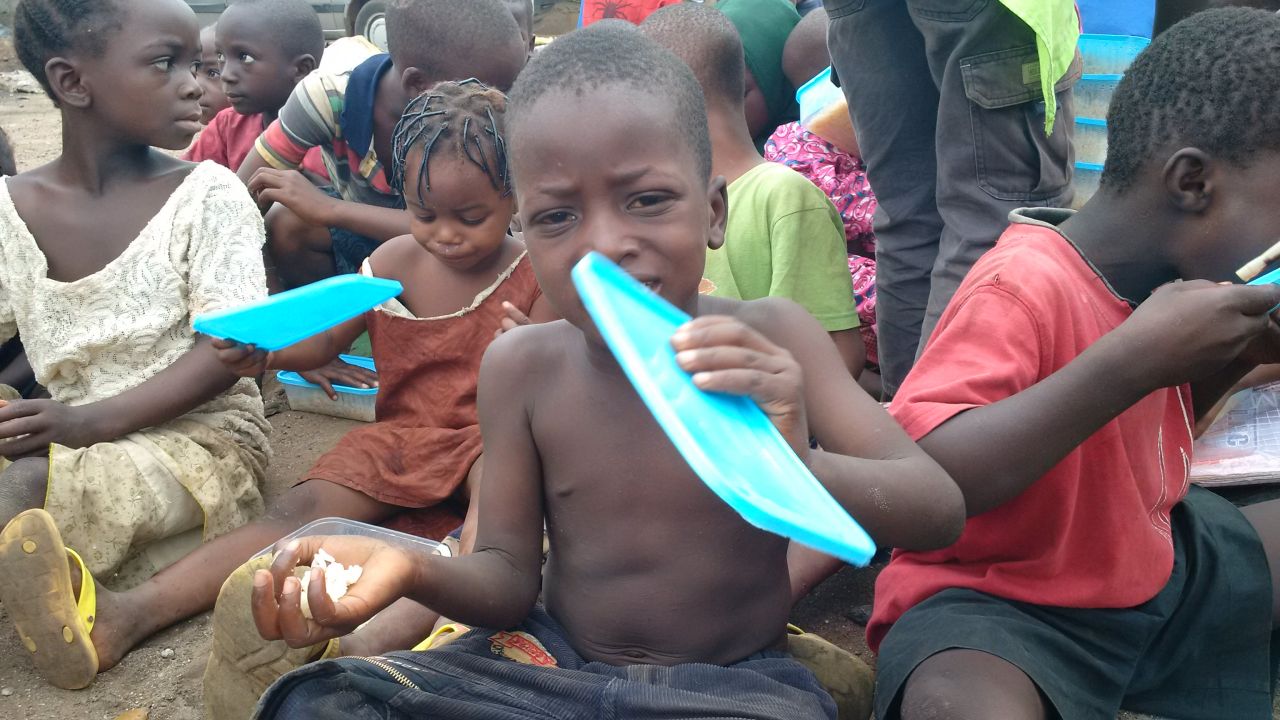
IDPs are subject to all forms of harm during the period of displacement, whether in private accommodation, in organised camps or in makeshift shelters on the outskirts of metropolitan centres. The most reported human rights abuses against IDPs are extra-judicial executions, torture, rape, sexual assault, abductions and forced recruitment. Those responsible for these violations are largely government and rebel forces. However, in some instances, civilian members of the resident population are also to blame.
Internal displacement has also become an issue of increasing international concern because the mass displacement of populations can pose serious threats to the security and stability of entire regions.
Women and children are widely recognised as the most vulnerable of IDPs. In camp and non-camp situations, they are victim to rape, sexual assault, forced recruitment and other forms of forced labour.Thousands of children around the world are doubly at risk of military recruitment and displacement as refugees, internally displaced persons (IDPs) or asylum seekers.