
Plastic Woes or Plastic Wonders?
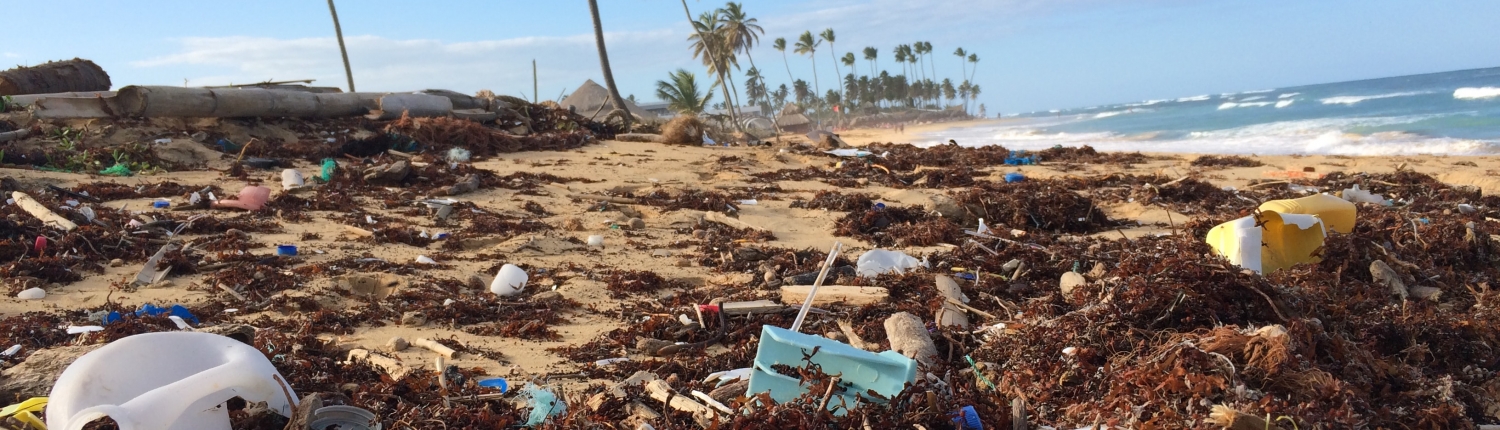
Plastic pollution in Africa has severe effects on the environment. Large quantities of plastic waste end up in rivers and oceans, leading to the death of marine life and the destruction of ecosystems
To combat the amount of growing plastics waste companies are making plastic bricks, made from recycled plastic waste, are being used as a sustainable building material in Africa, particularly in countries like Kenya or Côte d’Ivoire which is back through UNICEF initiatives. These company that recycles 10 to 25 metric tonnes of plastic waste weekly into bricks. The major claims of plastics bricks are fire resistance and cheap, said to offer a solution to plastic pollution and housing shortages.
However, plastic debris in the environment degrades and fragments into microplastics, which have become ubiquitous in both natural and terrestrial environments. Plastic litter and microplastics have been found in sediments, water bodies, and biota across Africa, with polyester, polyethylene, and polypropylene being the most common types of plastics observed through bioindicators such as zooplankton, annelids, molluscs, insects, fishes, and birds showing ingestion of plastic particles.
However, There are serious dangers associated with using plastic and no one speaks about. These dangers include vulnerability to photo-degradation, which can lead to breakage and fragility, as well as issues such as UV deterioration, cracking at changing temperatures, flammability, and poor adhesion to mortar
Studies have shown the negative effect of how plastics affect the human health. Plastics contain chemicals such as bisphenol A (BPA) and phthalates, which are known to be endocrine-disrupting compounds and can have adverse effects on reproductive development, metabolic disorders, thyroid dysfunction, immune dysregulation, neurobehavioral outcomes, and cancer. We know microplastics sip into water when kept in a bottle exposed to the sun. Schools built with plastics will face the same fate. The effectiveness of regulatory and policy interventions to control microplastic pollution in Africa remains poorly understood, highlighting the need for a sustainable and coordinated framework for plastic waste reduction.
This so-called innovation albeit in good faith will cause Africa to be willing to accept even more harmful plastic waste thinking it can safely be integrated into human settlements. we shouldn’t bring in even more risky plastic. Let’s figure out ways that really work and keep our homes and environment safe for everyone.
Anon, (2023). Can Plastic Bricks Pave A Road Out Of Kenya’s Plastic Waste. [online] Available at: https://climateaction.africa/can-plastic-bricks-pave-a-road-out-of-kenyas/ [Accessed 19 Dec. 2023].
AZoBuild.com. (2021). Plastic Bricks: Tackling Plastic Waste and Housing Shortages in Africa. [online] Available at: https://www.azobuild.com/article.aspx?ArticleID=8432.
Baisakhi.D and Shalya Acamma (2023). Bricks Made Out of Plastic. International Journal For Multidisciplinary Research, 5(2). doi:https://doi.org/10.36948/ijfmr.2023.v05i02.2579.
Cook, C.R. and Halden, R.U. (2020). Ecological and health issues of plastic waste. Plastic Waste and Recycling, pp.513–527. doi:https://doi.org/10.1016/b978-0-12-817880-5.00020-7.
euronews. (2023). Meet the Kenyan woman turning plastics into bricks. [online] Available at: https://www.euronews.com/culture/2023/09/25/meet-the-kenyan-woman-turning-plastics-into-bricks.
Fu, J., Zhang, L., Xiang, K., Zhang, Y., Wang, G. and Chen, L. (2023). Microplastics-contaminated antibiotics as an emerging threat to mammalian liver: enhanced oxidative and inflammatory damages. doi:https://doi.org/10.1039/d2bm02116a.
Ghosh, S., Jitendra Kumar Sinha, Ghosh, S., Kshitij Vashisth, Han, S. and Bhaskar, R. (2023). Microplastics as an Emerging Threat to the Global Environment and Human Health. sustainability, 15(14), pp.10821–10821. doi:https://doi.org/10.3390/su151410821.
Halden, R.U. (2010). Plastics and Health Risks. Annual Review of Public Health, 31(1), pp.179–194. doi:https://doi.org/10.1146/annurev.publhealth.012809.103714.
Rustagi, N., Singh, R. and Pradhan, S. (2011). Public health impact of plastics: An overview. Indian Journal of Occupational and Environmental Medicine, [online] 15(3), p.100. doi:https://doi.org/10.4103/0019-5278.93198.
UNICEF . (n.d.). UNICEF breaks ground on Africa’s first-of-its-kind recycled plastic brick factory in Côte d’Ivoire. [online] Available at: https://www.unicef.org/press-releases/unicef-breaks-ground-africas-first-its-kind-recycled-plastic-brick-factory-c%C3%B4te.
Wiberg, G.S. (1976). Consumer hazards of plastics. Environmental Health Perspectives, 17, pp.221–225. doi:https://doi.org/10.1289/ehp.7617221.
www.plasticstoday.com. (n.d.). Plastic waste bricks build classrooms in West Africa. [online] Available at: https://www.plasticstoday.com/advanced-recycling/bricks-made-from-plastic-waste-build-much-needed-classrooms-in-west-africa